
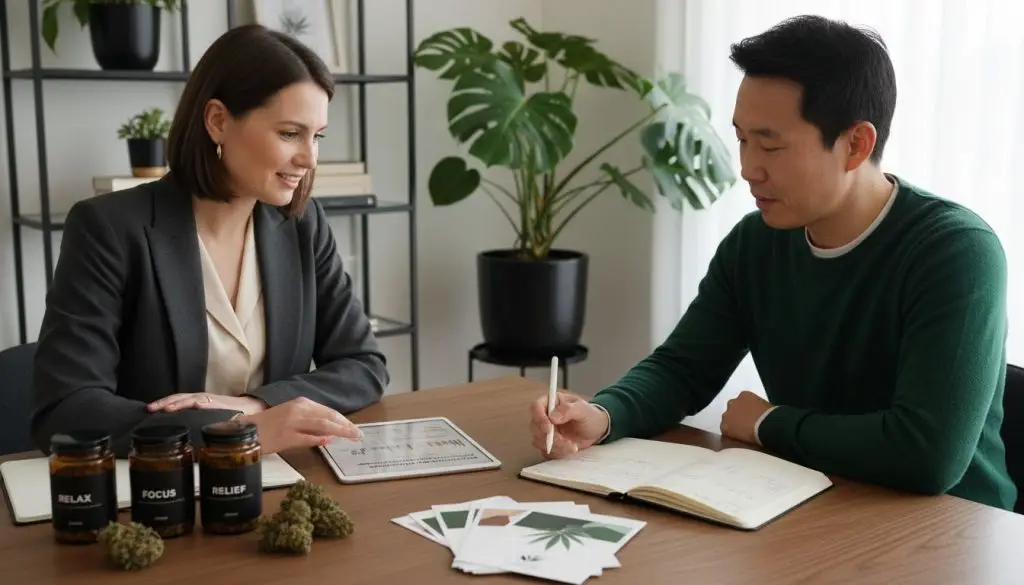
Cannabis Wellness Guide 2025: Achieve Relaxation and Healing
Over 50 percent of american adults now consider cannabis as part of their wellness routine, yet many struggle to use it effectively for health benefits. With so many strains, products, and conflicting advice, taking control of your cannabis journey can feel confusing. By focusing on your personal goals and tracking outcomes, you can unlock a more purposeful and rewarding approach to wellness that fits your lifestyle and supports lasting results.
Table of Contents
- Step 1: Set Wellness Goals For Cannabis Use
- Step 2: Select Ideal THC Strains And Products
- Step 3: Establish Safe And Effective Consumption Habits
- Step 4: Monitor Personal Wellness Outcomes
- Step 5: Adjust Routines For Optimal Benefits
Quick Summary
| Key Insight | Explanation |
|---|---|
| 1. Set Clear Wellness Goals | Establish SMART goals tailored to your needs, such as pain relief or stress reduction, to guide your cannabis use effectively. |
| 2. Choose Appropriate Strains | Select strains based on your wellness objectives. Consider THC/CBD levels and strain types for desired effects. |
| 3. Practice Mindful Consumption | Adopt a thoughtful approach to cannabis use, including proper dosage, environment, and timing to enhance benefits and minimize risks. |
| 4. Monitor Your Wellness Journey | Keep a detailed record of your experiences, tracking effects, dosages, and symptoms to refine your cannabis strategy over time. |
| 5. Adjust Your Approach Regularly | Review and adapt your cannabis routines every few weeks, responding to changes in health needs or responses to different strains. |
Step 1: Set Wellness Goals for Cannabis Use
Setting clear wellness goals transforms cannabis from a casual experience into a purposeful wellness journey. According to research from University of Calgary, establishing SMART goals can significantly improve your approach to cannabis use.
Start by identifying your specific wellness objectives. Are you seeking pain management, stress reduction, sleep improvement, or anxiety relief? Each goal requires a nuanced strategy. For example, if stress reduction is your primary aim, you might target lower THC strains with higher CBD content that promote relaxation without intense psychoactive effects. National Center for Biotechnology Information research emphasizes that personalized, clear goals can enhance treatment effectiveness.
Create objectives using the SMART framework: Specific (precise wellness target), Measurable (quantifiable outcomes), Achievable (realistic expectations), Relevant (aligned with overall health), and Time-based (defined timeline). A practical example might be: “Reduce work-related anxiety by 40% within three months using targeted indica strains twice weekly, tracking mood and stress levels in a journal.” This approach transforms cannabis consumption from recreational to intentional wellness practice.
Pro Tip: Regularly reassess your goals. Cannabis wellness is a dynamic process that requires flexibility and honest self-evaluation. What works today might need adjustment tomorrow based on your changing health needs.
Step 2: Select Ideal THC Strains and Products
Selecting the right cannabis strain is a personalized journey that directly impacts your wellness goals. According to research from Journal of Cannabis Research, cannabis product preferences vary significantly based on individual needs, usage purpose, and desired effects.
Understand your specific wellness objectives to guide your strain selection. Medical News Today highlights that different strains offer unique benefits. For pain management, you might prefer indica dominant strains with higher CBD content. If stress reduction is your goal, look for balanced hybrids that provide relaxation without intense sedation. Consider factors like THC potency, CBD concentration, and terpene profile when making your selection.
When exploring strains, consider these key factors: intended effect, tolerance level, and potential side effects. A premium cannabis selection guide can help navigate complex product options. Start with lower potency products and gradually adjust. Pay attention to how different strains affect your body and mood.
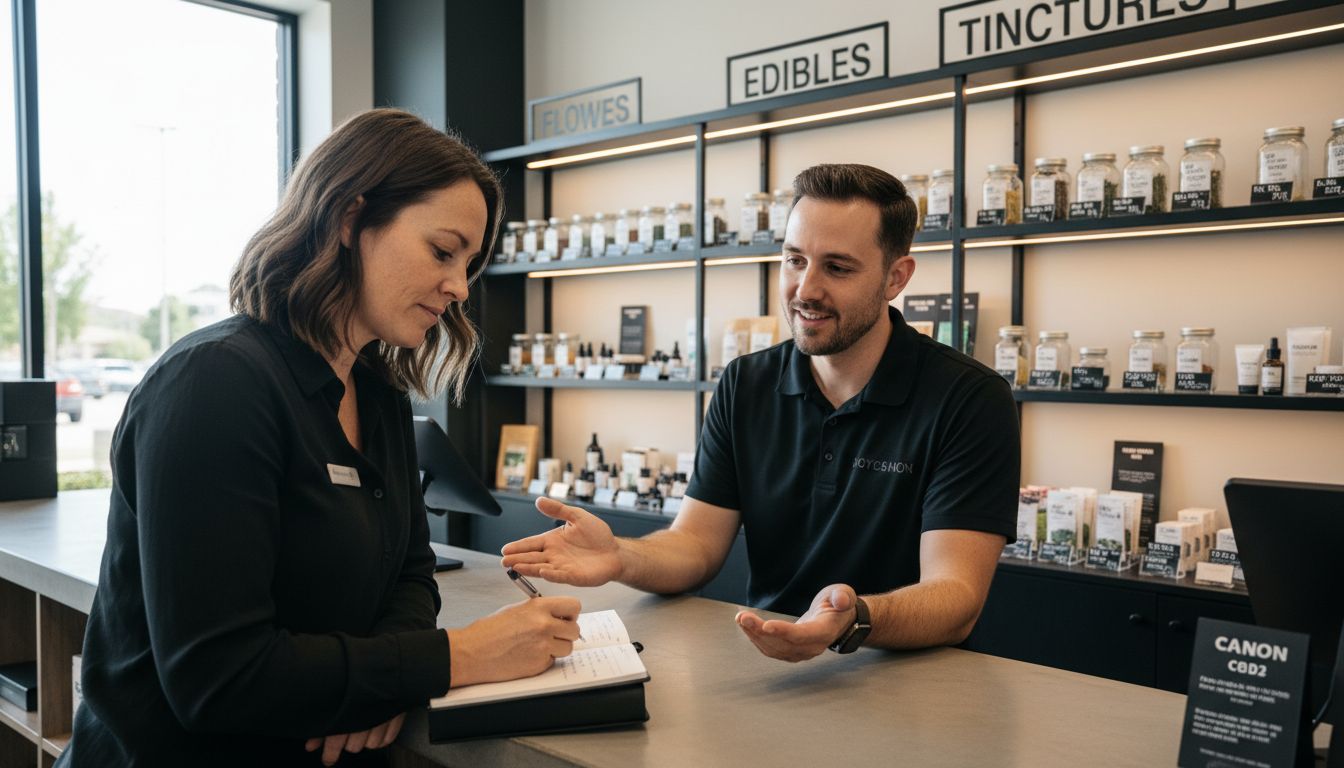 Track your experiences in a journal to understand which strains work best for your specific wellness needs.
Pro Tip: Always purchase from licensed dispensaries and consult healthcare professionals when using cannabis for therapeutic purposes. Individual responses to cannabis can vary widely, so patience and careful observation are crucial in finding your ideal strain.
Step 3: Establish Safe and Effective Consumption Habits
Creating a responsible cannabis consumption strategy is crucial for maintaining your wellness goals and personal health. According to University of Wisconsin-Milwaukee, minimizing health risks involves thoughtful approaches like choosing lower THC content products and practicing moderation.
Mindful consumption goes beyond product selection. Cannigma recommends integrating intentional practices into your cannabis use. Start by setting clear intentions before consumption. Create a consistent, controlled environment that supports relaxation and reduces potential anxiety. Consider factors like dosage, timing, and your current mental and physical state. Begin with minimal amounts and gradually adjust based on your body’s response and wellness objectives.
Establish personal consumption boundaries that prioritize your health and safety. Avoid consuming cannabis in situations requiring high alert such as driving or operating machinery. Create a consumption journal to track dosages, strains, and their effects on your overall wellness. This practice helps you understand your individual response and optimize your cannabis experience.
For medical purposes, always consult healthcare professionals and be transparent about your cannabis use.
Pro Tip: Practice the “start low and go slow” approach. Your body’s tolerance and response can change over time, so remain flexible and attentive to your physical and mental reactions.
Step 4: Monitor Personal Wellness Outcomes
Tracking your cannabis wellness journey requires systematic observation and intentional documentation. ArXiv Research highlights the importance of collecting comprehensive physiological data to understand how cannabis impacts individual wellness markers.
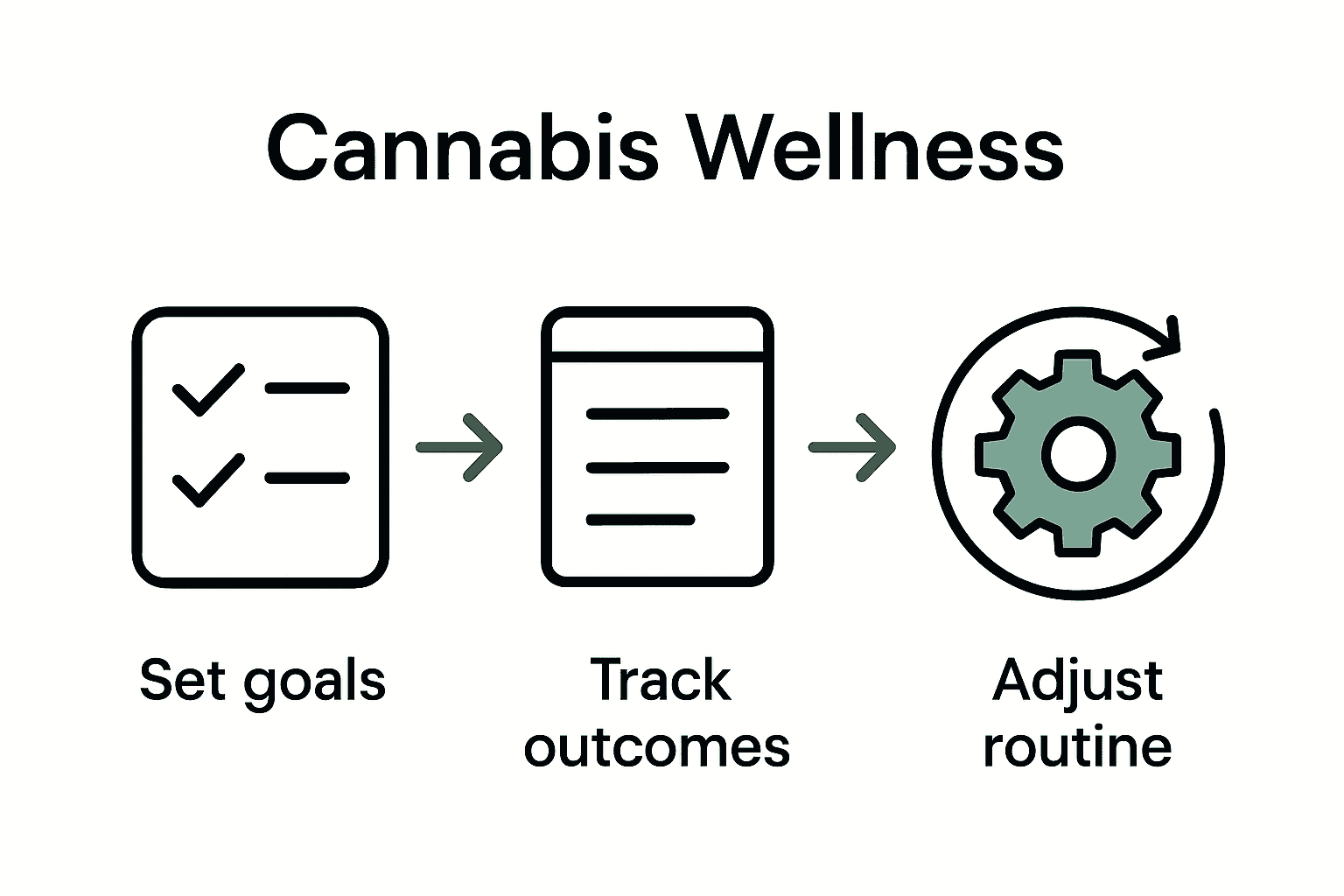
Create a comprehensive wellness tracking system that goes beyond simple journaling. Start by establishing baseline measurements for key indicators like sleep quality, stress levels, pain intensity, and mood stability. Use digital tools or a dedicated notebook to record daily dosages, strain types, consumption methods, and your body’s immediate and long-term responses. Pay attention to subtle changes in your physical and mental state. Note factors like energy levels, appetite, cognitive function, and emotional well-being. This detailed approach helps you identify patterns and optimize your cannabis wellness strategy.
Consider implementing quantitative and qualitative tracking methods. Use standardized wellness scales to measure consistent metrics like pain reduction, anxiety levels, and sleep improvement. Complement these numeric assessments with personal reflections that capture nuanced experiences. Schedule regular check-ins with yourself or a healthcare professional to review your progress, adjust consumption strategies, and ensure your cannabis use remains aligned with your wellness goals.
Pro Tip: Consistency is key. Your tracking efforts are most valuable when you maintain regular, honest documentation of your cannabis wellness journey.
Step 5: Adjust Routines for Optimal Benefits
Personalizing your cannabis wellness journey requires adaptive strategies that evolve with your changing health needs. Advanced research like the reBandit algorithm demonstrates the importance of dynamic, personalized interventions that can optimize health outcomes through intelligent adaptation.
Create a flexible wellness approach that allows for continuous refinement. Review your tracking data every four to six weeks to identify patterns in your cannabis consumption and its effects. Look for trends in how different strains, dosages, and consumption methods impact your physical and mental well-being. Pay attention to seasonal variations in your health requirements. Winter might demand different cannabis strategies compared to summer due to changes in stress levels, sleep patterns, and overall body response. Be prepared to modify your approach based on emerging insights from your personal wellness tracking.
Utilize technology and systematic approaches to guide your adjustments. MiWaves research suggests using data-driven methods to tailor your cannabis intervention strategy. Consider using digital wellness apps or journals that help you quantify and visualize your progress. Experiment with small, incremental changes rather than dramatic shifts. This methodical approach allows you to understand precisely how modifications impact your overall wellness without overwhelming your system.
Pro Tip: Remain open and curious. Your cannabis wellness journey is a personal exploration that requires patience, self-compassion, and a willingness to learn from your body’s unique responses.
Take Control of Your Cannabis Wellness Journey Today
The “Cannabis Wellness Guide 2025” highlights the importance of setting clear wellness goals, selecting the right THC strains, and monitoring your personal outcomes to achieve true relaxation and healing. If you are looking to elevate your cannabis experience with premium products tailored for wellness, Grade A Dropouts is here to support your path. We understand the challenge of finding consistent, high-quality indica strains and offer a carefully curated selection that can help you manage stress, pain, and sleep issues effectively.

Explore our exclusive collection in Uncategorized – Grade A Dropouts and discover why cannabis enthusiasts trust us for natural healing solutions. Don’t wait to embrace a more intentional approach to your wellness. Visit Grade A Dropouts now, find the perfect strain for your needs, and start your transformation toward better relaxation and health today.
Frequently Asked Questions
How can I set effective wellness goals for my cannabis use?
Establish effective wellness goals by using the SMART framework—Specific, Measurable, Achievable, Relevant, and Time-based. For example, aim to reduce your work-related anxiety by 40% within three months by consuming targeted indica strains twice a week.
What cannabis strains should I choose for relaxation and stress relief?
Look for strains that are high in CBD and lower in THC for relaxation without intense psychoactive effects. Balanced hybrids can also be effective, providing relaxation while minimizing sedation, helping you unwind at the end of the day.
How do I safely consume cannabis to enhance my wellness experience?
To ensure safe consumption, start with low-potency products and gradually increase as needed. Create a controlled environment for use, and track the effects in a journal to understand how different strains and dosages impact your overall wellness.
What should I include in my cannabis wellness tracking system?
In your tracking system, document daily dosages, strain types, consumption methods, and how your body responds. Include baseline measurements for stress, sleep quality, and mood stability to effectively identify patterns in how cannabis affects your wellness.
How can I adjust my cannabis use for optimal health benefits?
Review your tracking data every four to six weeks and make small, incremental changes based on identified patterns. This will help you understand how different strains and dosages impact your well-being without overwhelming your system.
What are some tips for consistently monitoring my cannabis wellness journey?
Maintain regular documentation of your experiences and outcomes, noting any changes in your physical and mental state. Consistency is key; aim to check in with yourself weekly to evaluate progress and adjust strategies accordingly.